From September 14 to 15, 2026, the 2026 Conference on Circular Economy Development of Petroleum and Chemical Industry, together with the 4th Shanghai Chemical Industry Park Green Low-Carbon Development Conference, was held in Shanghai under the theme of “Embarking on a New Green Journey · Shaping a Circular Future”. Hosted by China National Chemical Information Center and Shanghai Chemical Industry Park, the event was co-organized by Beijing University of Chemical Technology (BUCT), CNPC Economics & Technology Research Institute, Sinopec Economics and Development Research Institute and CNOOC Energy Economics Institute.
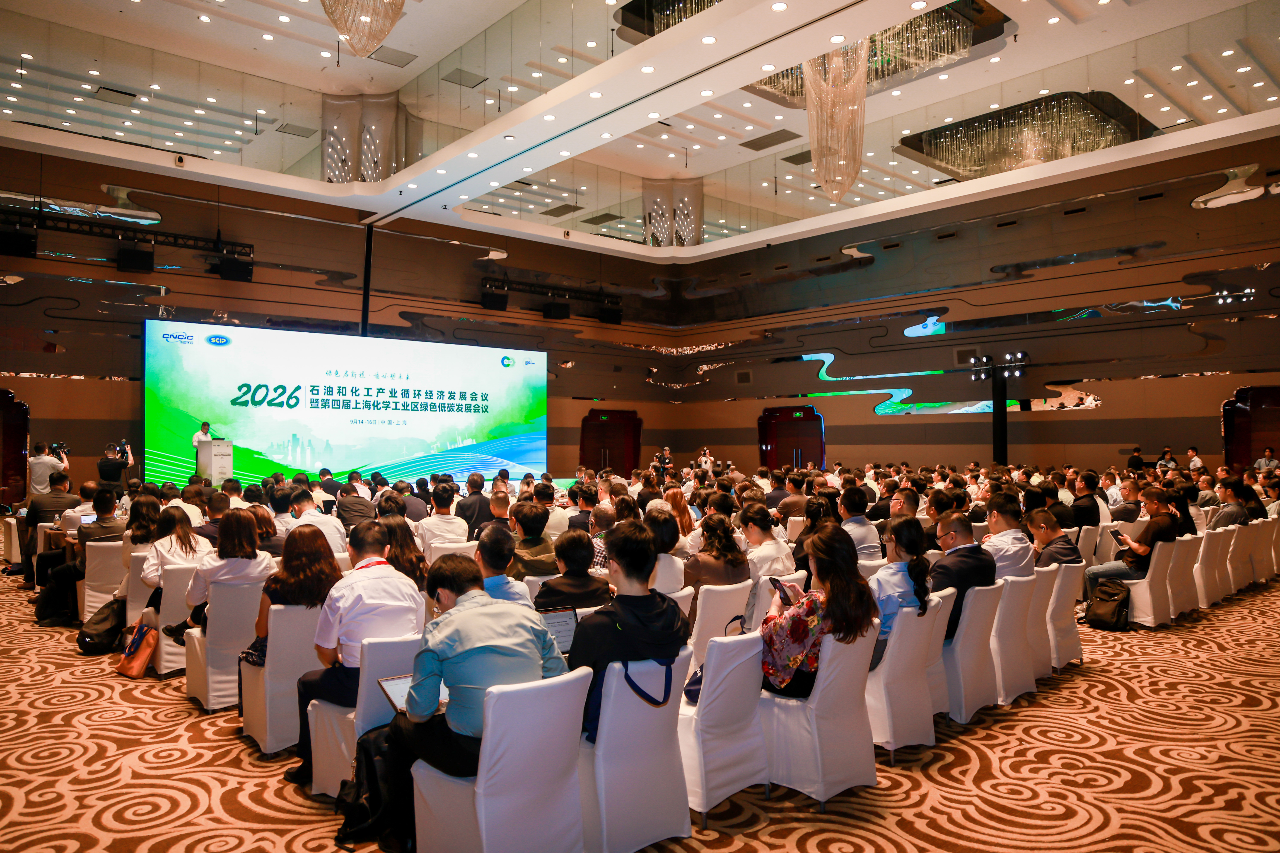
The School of Economics and Management, BUCT, took an in-depth part in multiple core activities of the conference.
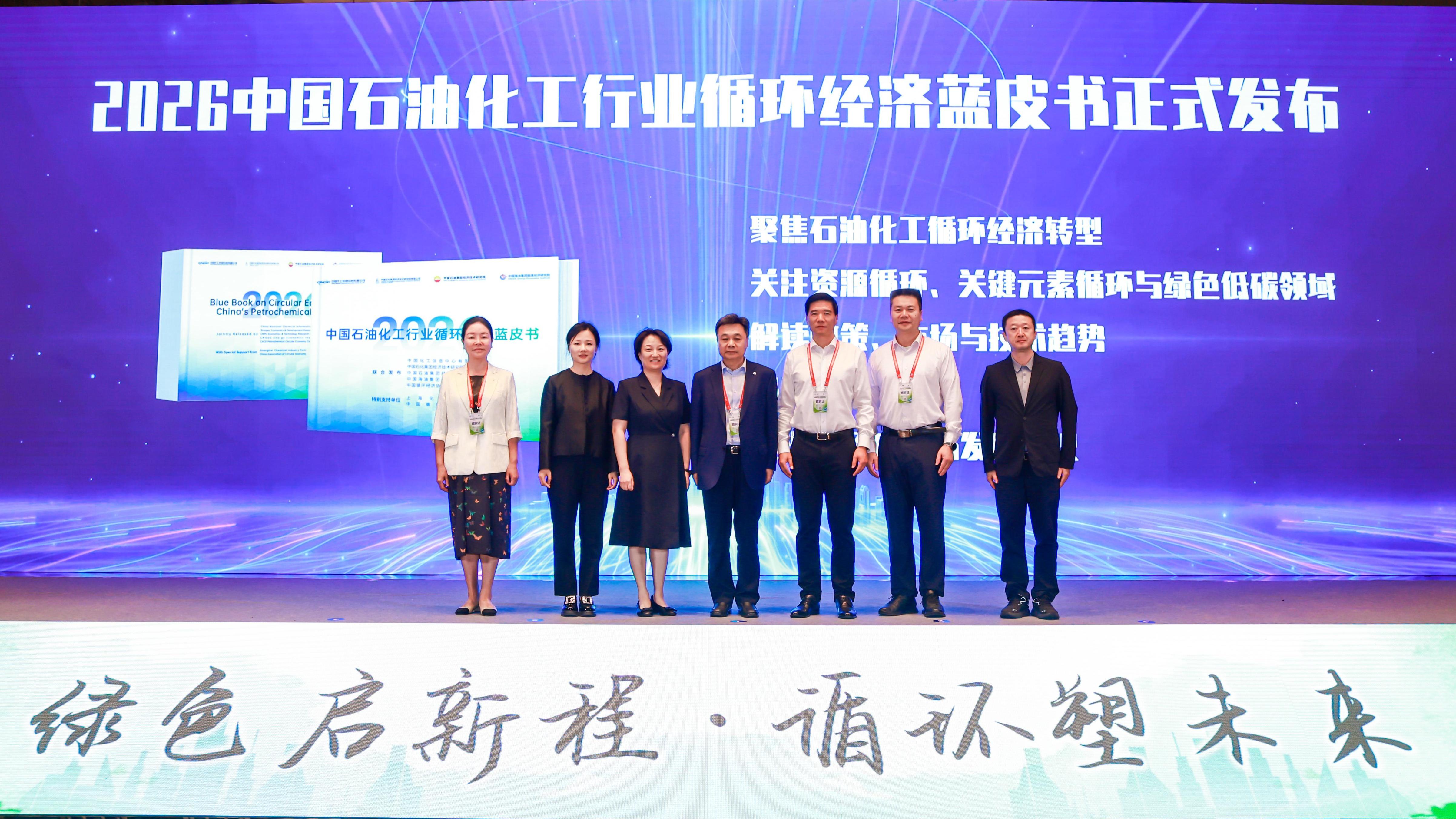
China Petrochemical Industry Circular Economy Blue Book 2026, a key outcome of the conference, was officially released at the event. Chair Gao Hongxia attended the launch ceremony. Compiled by China National Chemical Information Center in collaboration with three central enterprise think tanks (Sinopec Economics & Development Research Institute, CNPC Economics and Technology Research Institute, and CNOOC Energy Economics Institute) as well as the Petrochemical Committee of China Association of Circular Economy, the Blue Book systematically reviews the development of circular economy in the petrochemical industry from perspectives including macro trends, resource recycling, elemental cycling and green low-carbon transition.
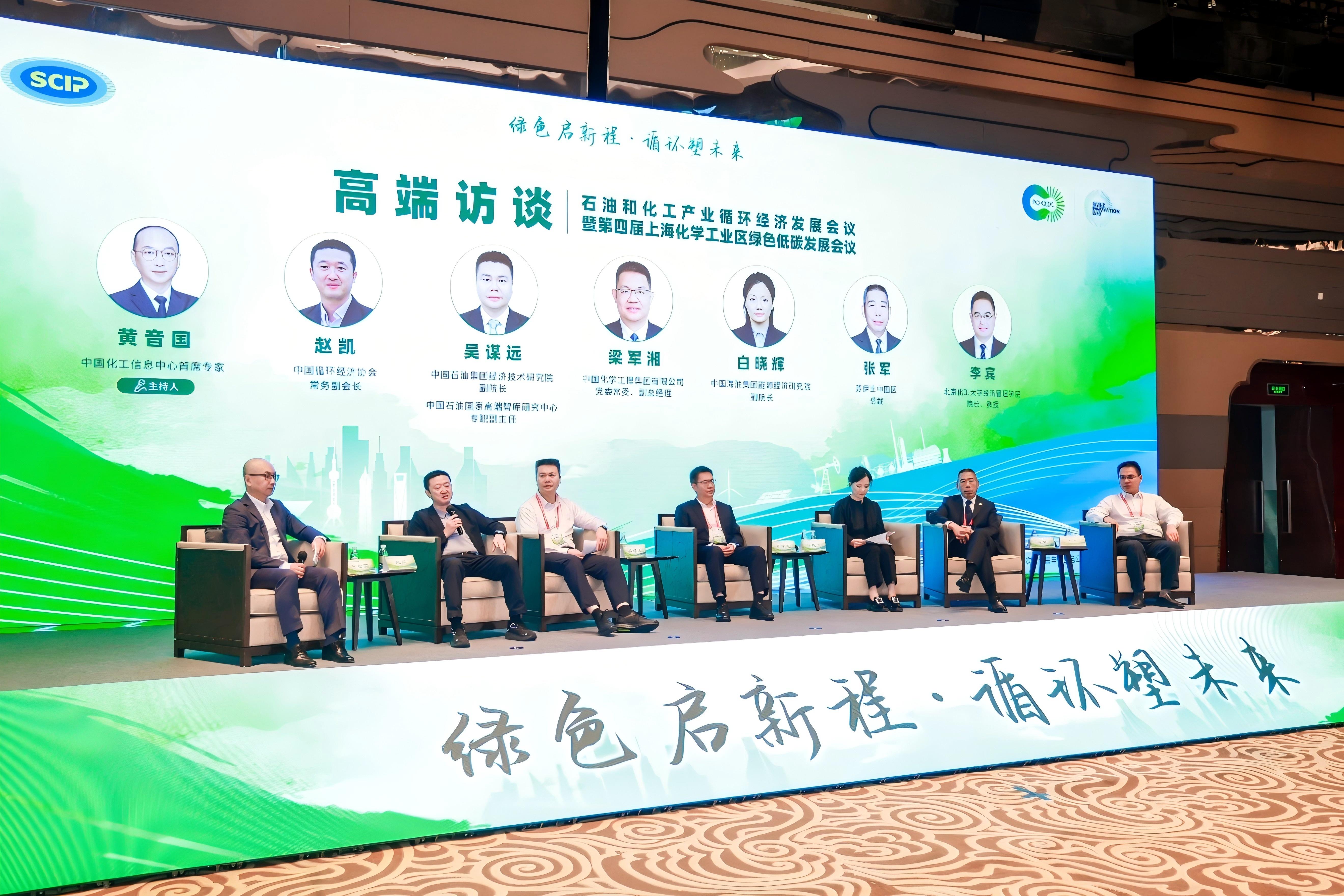
Dean Li Bin was invited to the conference’s roundtable discussion themed From “Vision” to “Reality”: Reflections, Transformations and Implementation for Green Development of the Petrochemical Industry. Addressing the widespread industry concern that circular economy projects “fail to financially”, Dean Li noted that as the carbon market keeps expanding, green finance policies intensify, and ESG disclosure becomes a mandatory requirement for listed companies, the environmental value of circular projects is rapidly “coming into view”. Carbon emission reduction value is gradually monetized, mandatory disclosure pushes enterprises to identify environmental value, and green supply chains generate product premium. In his view, the business case for circular economy “is easier to calculate than before, yet remains incomplete and not stable enough”.
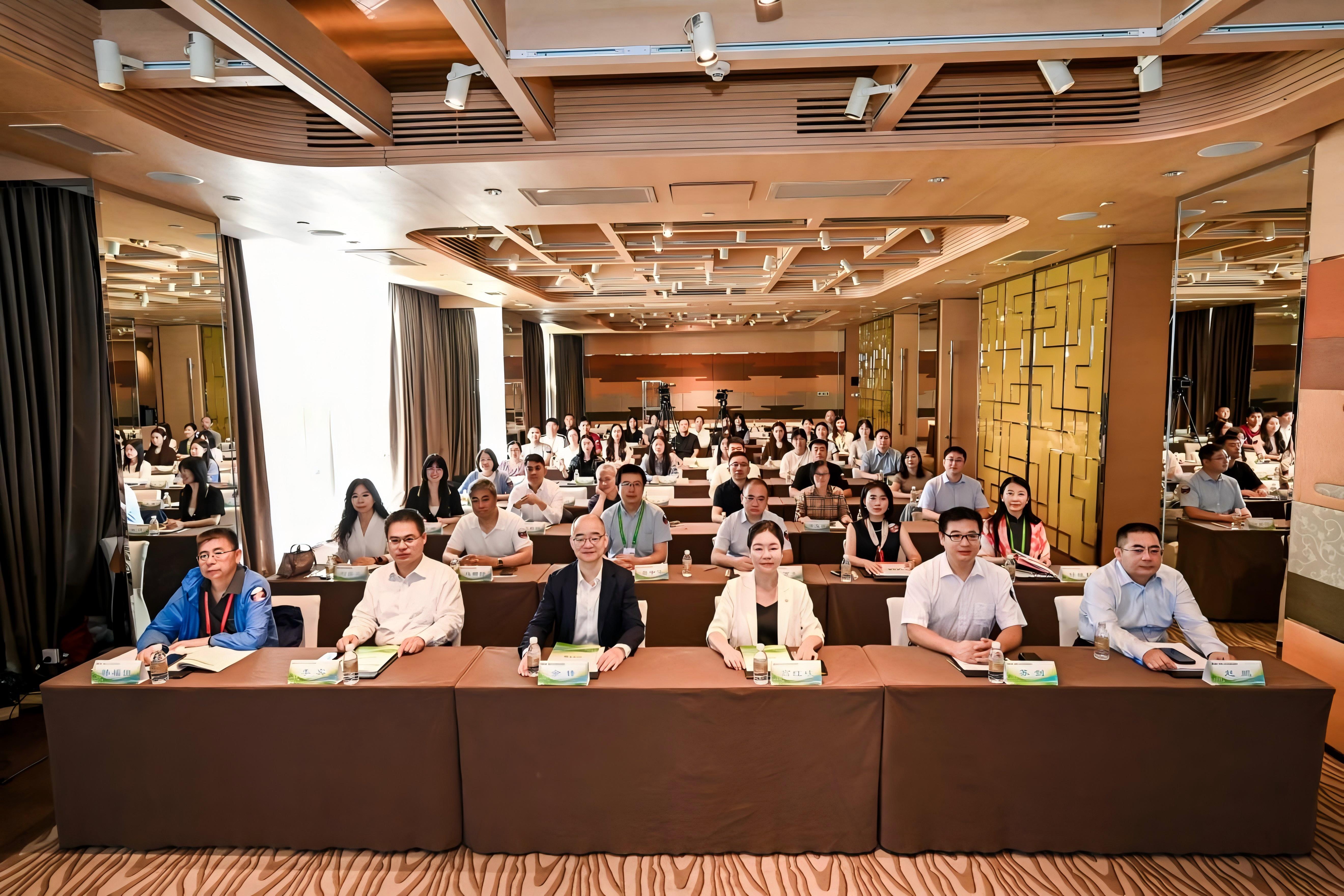
A sub-forum was co-chaired by Professor Ren Jiqin and Professor Liu Xuezhi from the School of Economics and Management. Bringing together nine guests from industry associations, leading enterprises, authoritative media, universities and alumni-founded enterprises, the all-day discussion centered on new demands for economics and management talent in the petrochemical industry under the “Dual Carbon” goal and innovations in talent training pathways.
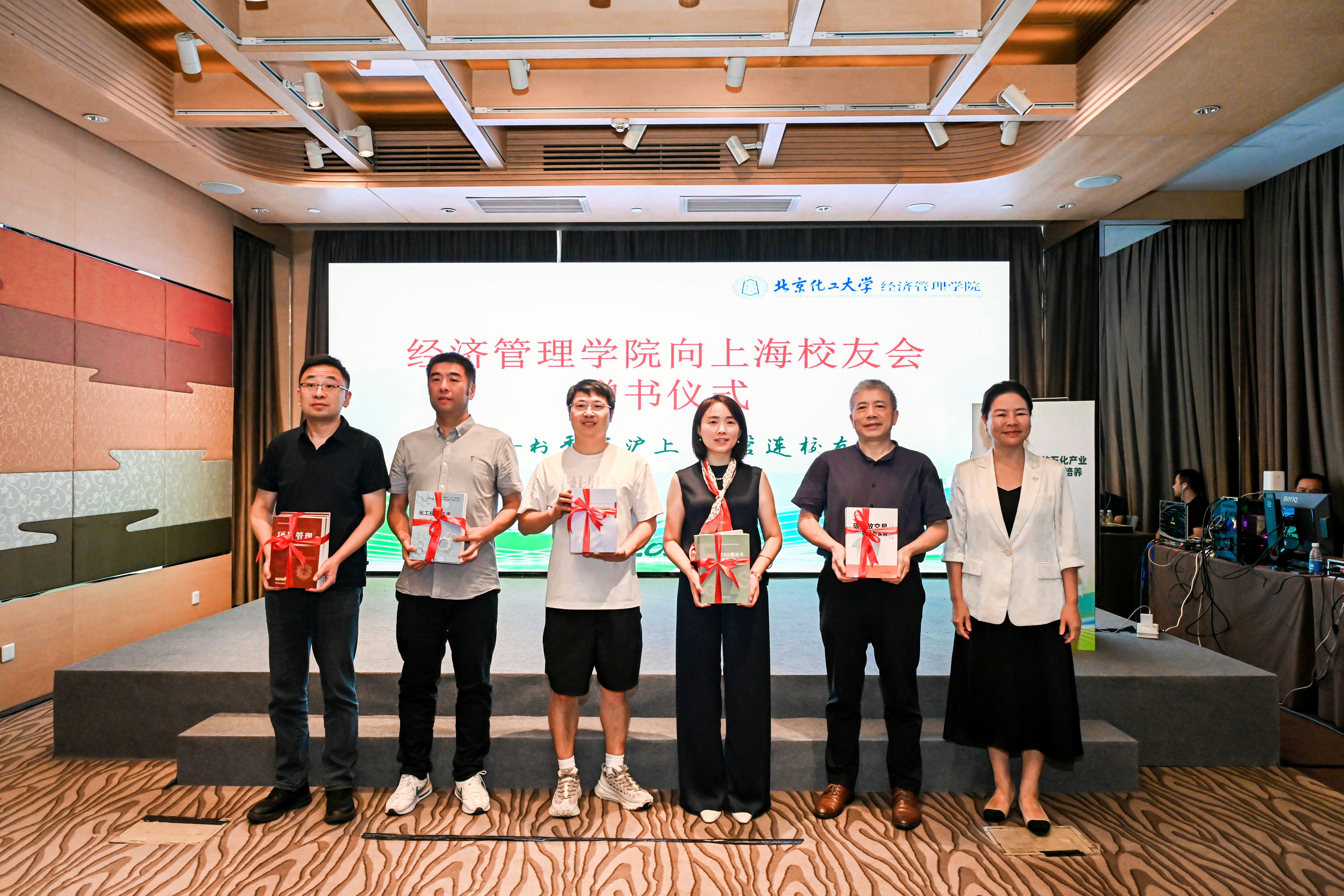
At the closing of the sub-forum, a book-giving ceremony was held, where the School of Economics and Management, BUCT, presented books to its Shanghai Alumni Association. This book donation marks an important step for deeper collaboration between the School and the Shanghai Alumni Association in joint talent cultivation.
Participation in this conference enabled the School of Economics and Management, BUCT, to gain an in-depth understanding of the latest developments and talent needs of the petroleum and chemical industry regarding circular economy and green low-carbon development. Through roundtable exchanges, sub-forum organization and alumni partnership building, the School systematically showcased its thinking, exploration and strengths in talent training in relevant fields. It has further raised the School’s profile among industry practitioners and academic circles, injecting fresh momentum into deeper integration of industry and education, improved discipline development, and innovative talent training models.